Elena Hayes · 2 September 2026
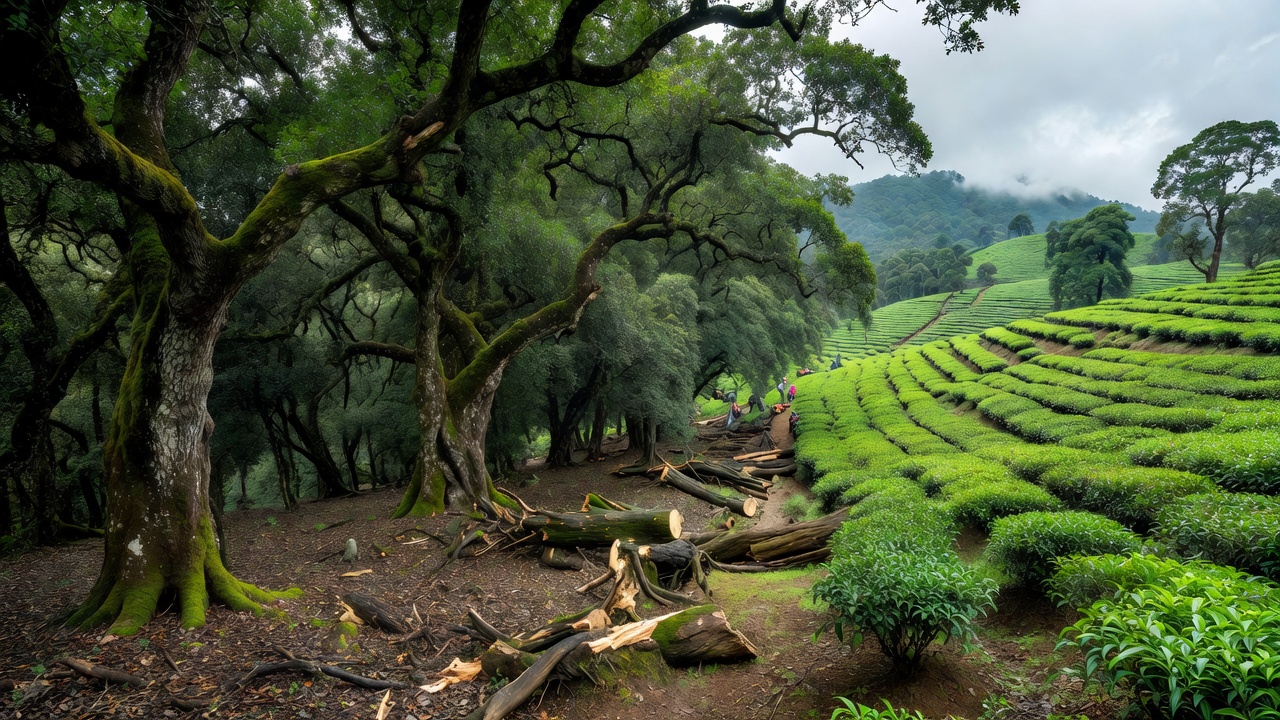
Oak forests around the world are encountering significant challenges as tea plantations continue to expand into previously untouched areas. This development raises concerns among environmentalists and heritage conservationists who value the biodiversity supported by mature oak ecosystems. The intersection of tea cultivation and oak preservation presents a complex issue for sustainable land management. Recent reports show that in several countries tea companies are acquiring land traditionally covered by oak trees to meet growing global demand for tea products. This expansion is driven by economic factors but has ecological consequences that cannot be ignored.
Environmental Impacts of Plantation Growth
The conversion of oak woodlands to tea fields disrupts local wildlife habitats and alters soil composition over time. Studies indicate that tea cultivation requires specific conditions that often lead to deforestation in hilly regions where oaks thrive naturally. Water resources are also strained as irrigation demands increase with larger plantation sizes and intensive farming techniques. Biodiversity loss is evident as many species dependent on oak forests find their homes destroyed or fragmented. Soil erosion becomes a major problem without the deep root systems of oak trees to hold the ground together during heavy rains. Experts note that the loss of oak trees affects carbon sequestration rates and contributes to climate change acceleration in affected areas. In regions like parts of Asia where both tea and oak species coexist the balance is tipping towards monoculture practices that reduce overall ecosystem resilience.
Conservation Efforts and Future Outlook
Organizations focused on heritage preservation are advocating for sustainable farming methods that integrate tea production without sacrificing oak forests. Initiatives include agroforestry models where tea plants are grown alongside native trees to maintain ecological integrity and provide shade for better tea quality. Policy makers are being urged to implement stricter land use regulations to protect these vital forests from further encroachment. Public awareness campaigns highlight the cultural and historical significance of oak heritage alongside the economic benefits of tea production. Long term solutions may involve reforestation projects and incentives for farmers to adopt eco friendly practices that balance both industries. The ongoing expansion poses risks but also opportunities for innovative approaches in agriculture and conservation strategies worldwide.