Elena Hayes · 2 September 2026
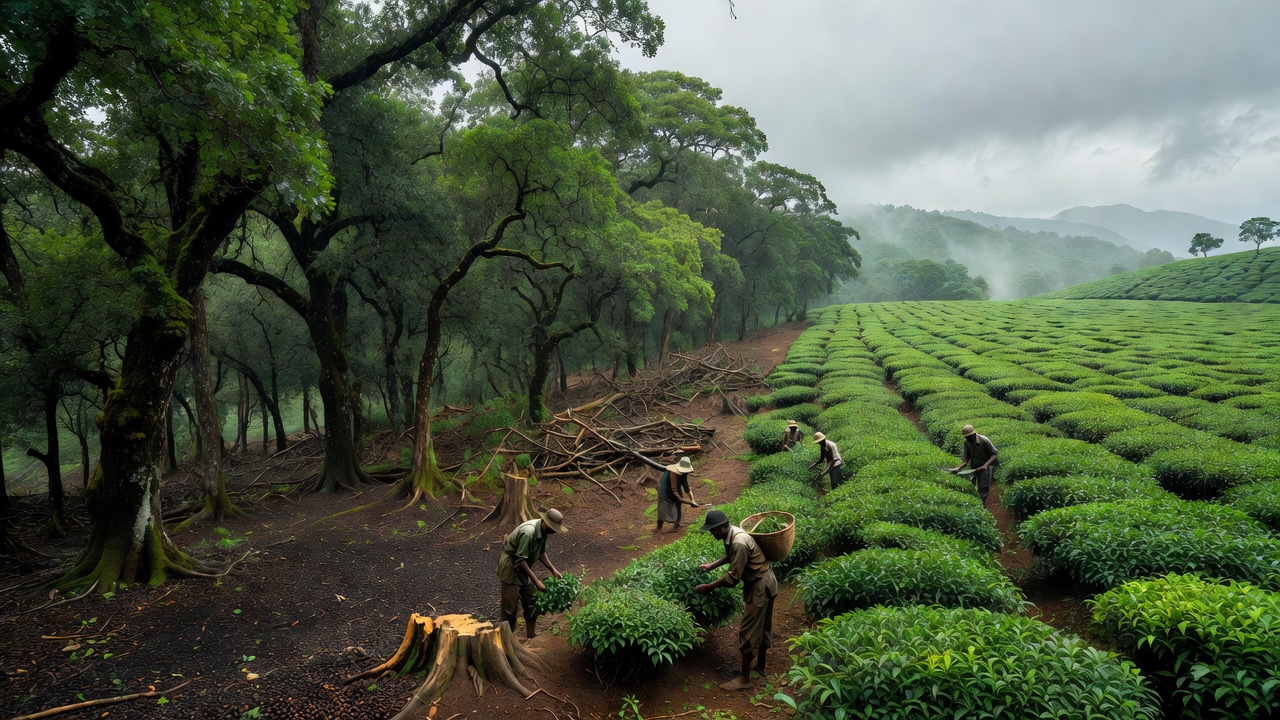
The expansion of tea plantations is posing significant challenges to oak forests in several regions around the world. As demand for tea continues to rise, farmers are converting forested lands, including areas with oak trees, into tea estates. This shift is leading to habitat loss and fragmentation for many species that depend on oak ecosystems. In addition, climate change is exacerbating these issues by altering rainfall patterns that affect both tea yields and oak health.
Ecological Consequences
Oak forests provide critical habitats for numerous plants and animals. When these areas are cleared for tea cultivation, biodiversity suffers greatly. Soil erosion increases because tea plants do not hold the soil as effectively as mature oak trees. Additionally, the use of pesticides in tea farming can contaminate nearby water sources, affecting aquatic life and further downstream ecosystems. Studies have shown that in parts of Asia, oak woodland cover has decreased by up to 15 percent in the last decade due to agricultural expansion. The loss of oak trees also impacts carbon sequestration efforts. Oaks are known for their ability to store large amounts of carbon, helping mitigate climate change. Replacing them with tea bushes, which have shorter lifespans and lower biomass, reduces this environmental benefit. Moreover, the monoculture nature of tea plantations reduces the overall resilience of the landscape to pests and diseases.
Community Responses and Conservation Efforts
Local communities and environmental groups are advocating for sustainable practices. Some tea producers are exploring agroforestry methods that integrate oak trees with tea plants. This approach aims to maintain some forest cover while allowing tea production. Governments in affected areas are considering stricter land use regulations to protect remaining oak forests. International organizations are also involved, providing funding for reforestation projects that focus on native oak species. Despite these efforts, the pressure from global tea markets remains strong. Balancing economic needs with environmental protection is a complex task that requires collaboration between farmers, policymakers, and conservationists. Continued monitoring and research are essential to understand the long-term effects and develop effective strategies to preserve oak heritage alongside tea cultivation traditions. Experts suggest that certification programs for sustainable tea could help incentivize better practices among growers.